|
|||||||||
Training Notice |
|||||||||
Training on Introduction to Health Research: STATA and Manuscript Writing |
|||||||||
|
Introduction
A sound knowledge about how to conduct a research is of essence for further study and most careers today; whether it is in health, business, social sciences, sports or projects or completing studies at University. Although different disciplines may differ in the particular methods they emphasize, their broad approach to research inquiry is similar. The goal is to familiarize participants with the essential steps and elements of the research approach and make them capable to use STATA and be confident in writing manuscript for peer-reviewed journals.
Objectives of the course
After successful completion, the participants should be able to:
Key Areas
Course Structure
There will be 3 hours sessions (theory plus practical) every Friday and Saturday (12-14 class) which starts at 5:30 pm and ends around 8:30 pm throughout the course. However, extended hours may be required to complete the course. We also develop e-learning process (theory and practical). So, everyone can use the technology to enable anywhere and anytime.
Course Contents
Conducting Health Research
Using stata for Data Analysis
Scientific Manuscript Writing
Target Participants
Learning Methods
Facilitators
Scientists, Statisticians, Researchers from Reknowned institute including Johns Hopkins University and Expert from outside.
Course fee
The course fee is Taka Fifteen Thousand (15000) only.
How to Pay?
The preferred method of payment is Online using Credit or Debit Card or Mobile Banking (e.g. BKash, DBBL, MCash, MY Cash). However, participants can also make payment directly to Technical Training Unit at icddr,b.
Selection and Admission of participants
In general, participants are selected based on their pre-requisite qualifications and first come first serve basis. However, female participants will get preference. Only selected participants will be notified by email or SMS or over telephone. The admission of the selected participant will be confirmed only when the fee is received.
Certification
After successful completion of the course each participant will receive a certificate.
|
||||||||
What our participants say about us
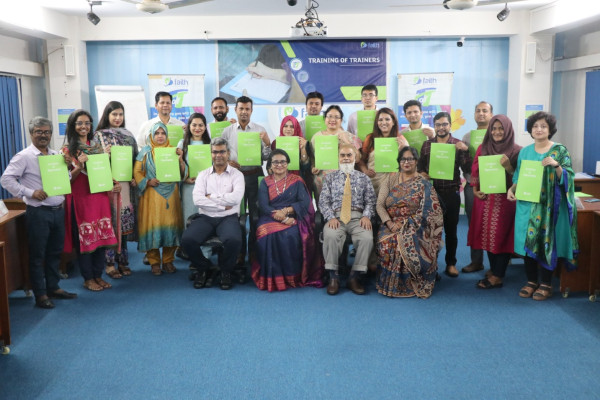
 |
Nilufer Ahmed Karim |
|---|
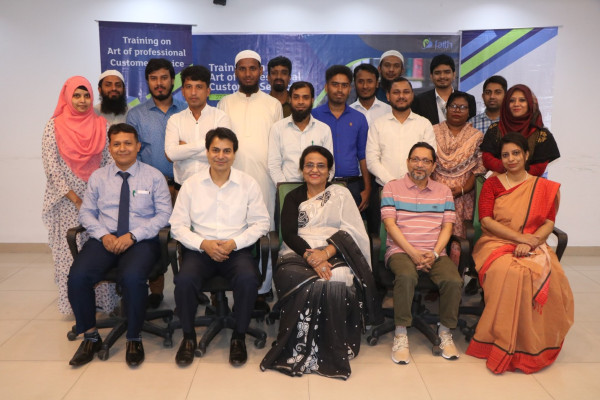
Training on Art of professional Customer Service
 |
Md. Shamim Hossain |
|---|
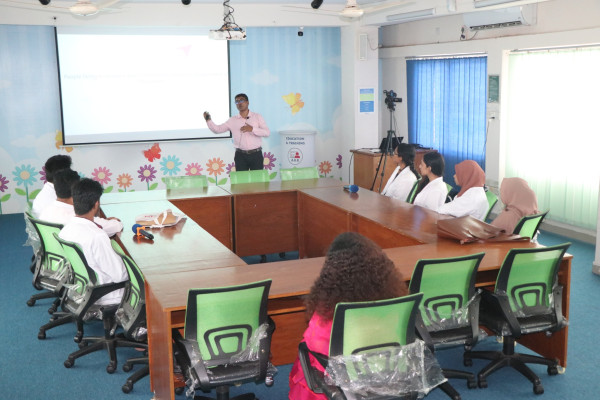
 |
S M Asif Arman |
|---|
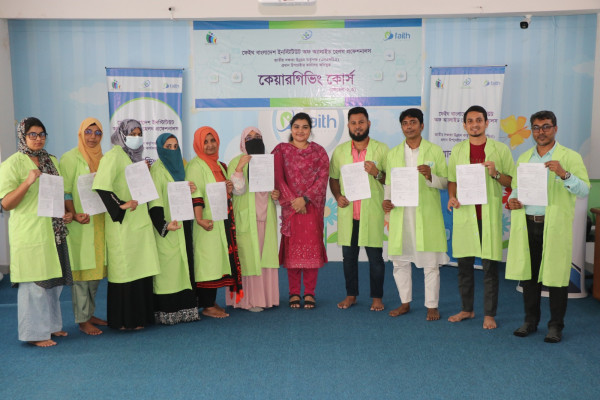
Caregiving for Elderly Person Level - 3
 |
Arjina Begum |
|---|

Training on ADOS-2 Assessment Tool for Autism Spectrum...
 |
Ms. Narsis Rahman |
|---|
IGNITING THE BRAIN: INCREASING FOCUS AND ATTENTION IN...
 |
Malvika Mandal Samnani |
|---|
Supervisory Management Skills Training Course
|
|
Mahbub Alam |
|---|
Scientific Manuscript Writing for Publication
 |
Dr. Taufique Joarder |
|---|

Autism for clinicians and parent-professionals An online certificate...
 |
MANISH SAMNANI, PhD scholar (OT), M.O.Th. (Pediatrics), B.O.T. |
|---|
Professional Business Communication training
 |
M Ahsan Khan |
|---|
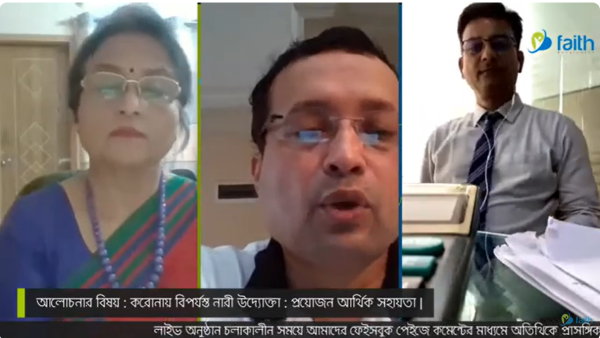
Online - Training for Women Entrepreneurs- বাংলদেশ ব্যাংক...
 |
Sanjib Kumar Dey |
|---|
Training on Introduction to Health Research: STATA and...
 |
Syed Jafar Raza Rizvi |
|---|

Basic Use of MS Office: A Customized Computer...
 |
Eng. Md. Belal Hossain |
|---|
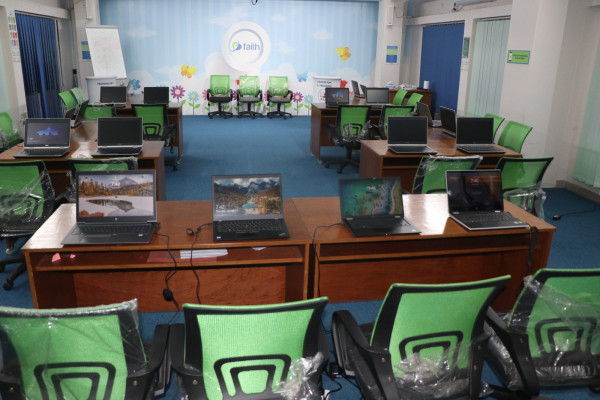
Training of computer use with secured and smart...
|
|
Engr. Md. Belal Hossain |
|---|
Foundational Training Course on Responsive Parenting Skills for...
|
|
Prof. Dr. Helal Uddin Ahmed |
|---|
House: 2/4 (Kha), Block: C, Lalmatia, Dhaka 1205
Copyright © 2026, all rights reserved faith Bangladesh
 Internship
 Online Courses
 Library & Store